Farm to Table
Five honest steps between a Bardiya seed and the rice on your plate.
01
Seeds are Sown
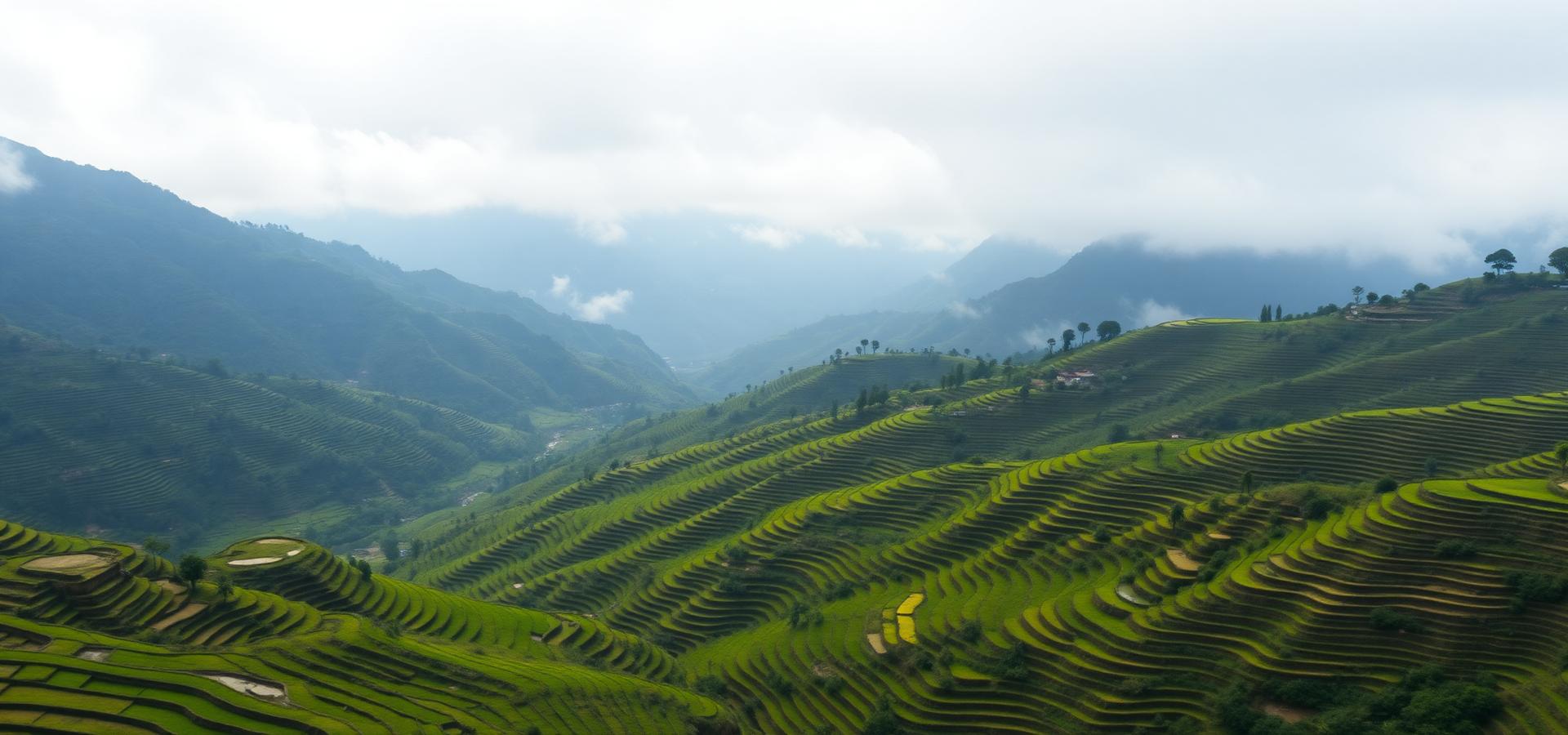
Planting begins on our own land in Bardiya and on the terraces around Pokhara. We choose varieties that suit the soil rather than whatever is fashionable that year, and we keep seed back from the best plots.
02
Harvest Season
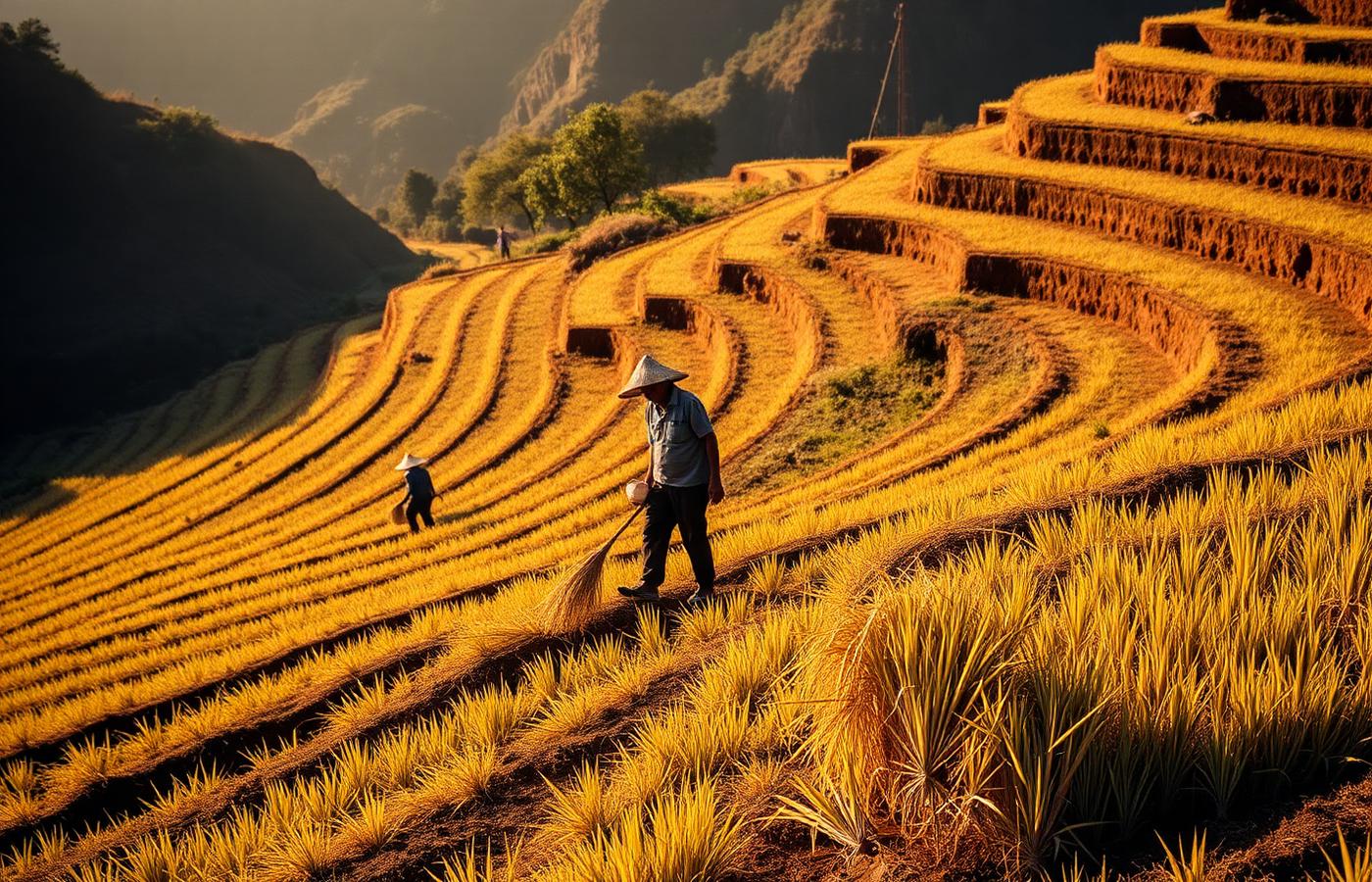
Come autumn, the villages work together. We buy paddy at the village collection points, weigh it openly and pay on the same day — no ledger entries that stretch into the next season.
03
Milling at Malepatan
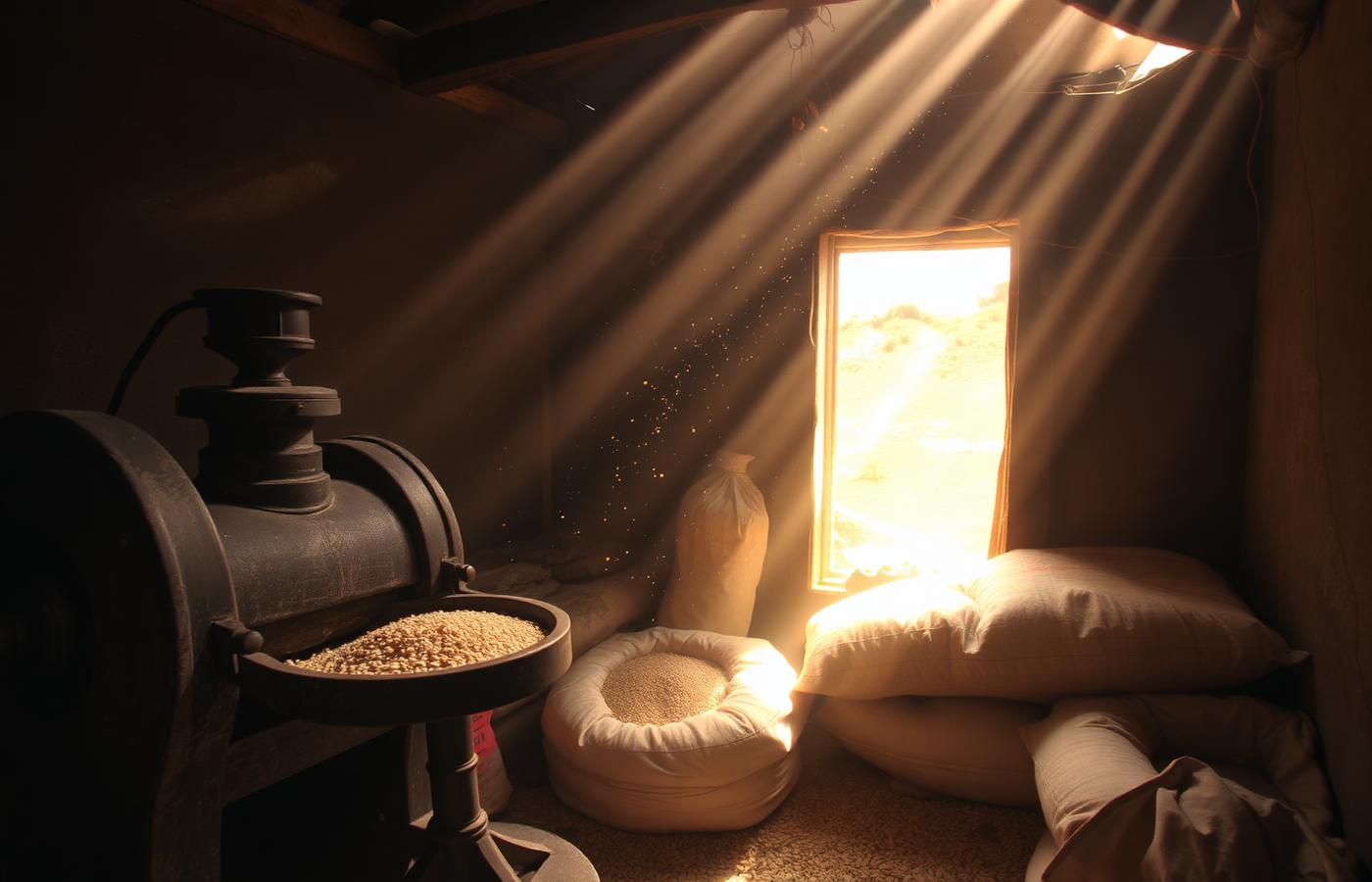
At the mill the paddy is dried, destoned, hulled and polished at a steady pace. Rushing the polisher breaks grain and takes the taste with it, so we let the machines run slow.
04
Packaging & Quality Check
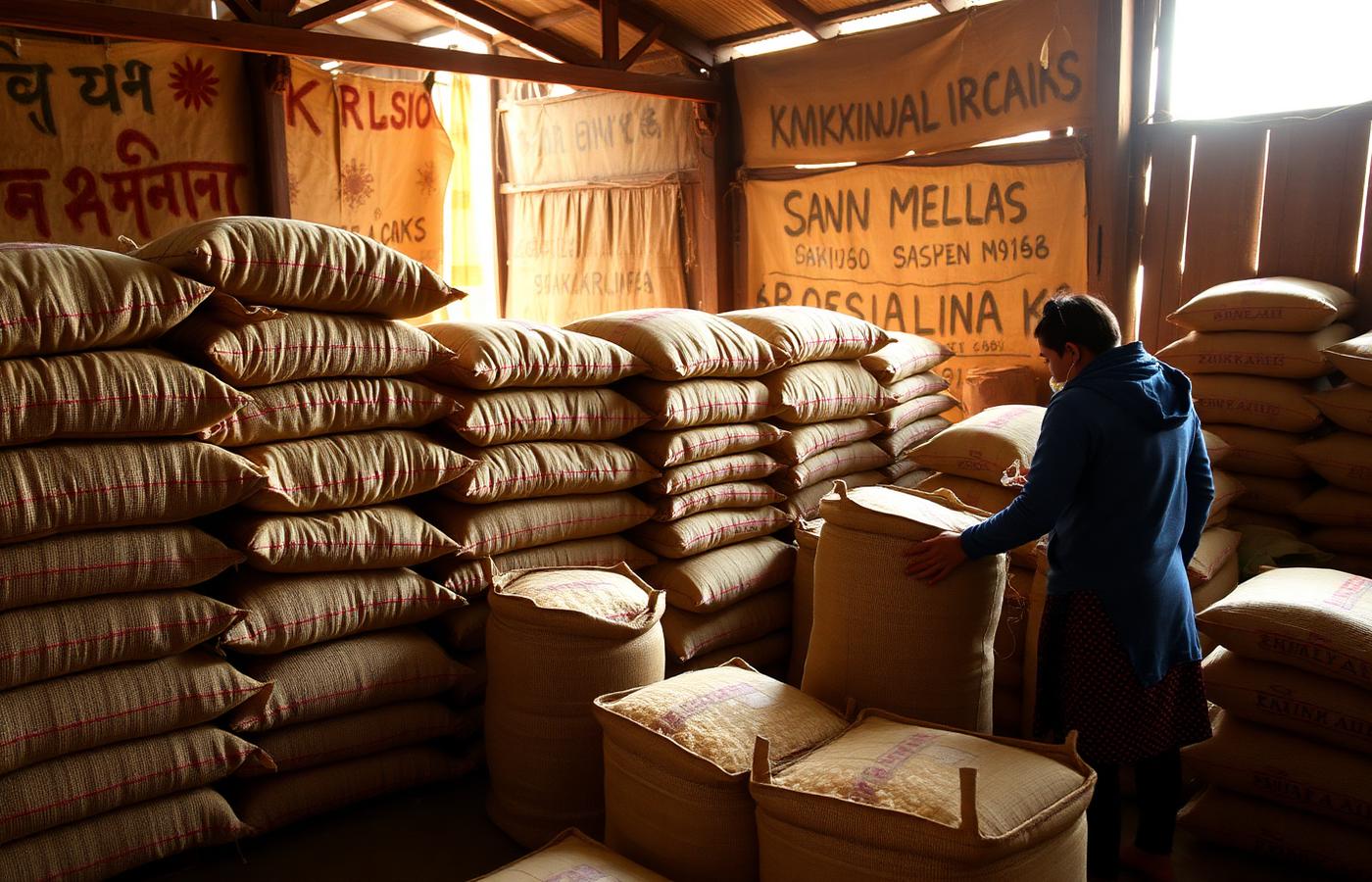
Each batch is sorted a second time, checked for stones and moisture, then packed in sizes from one kilo to fifty. The weight written on the bill is the weight in the sack.
05
Delivered to Your Doorstep
Retail buyers collect from the mill or receive delivery in and around Pokhara. Wholesale loads go out across Gandaki and beyond, on a schedule you can count on.
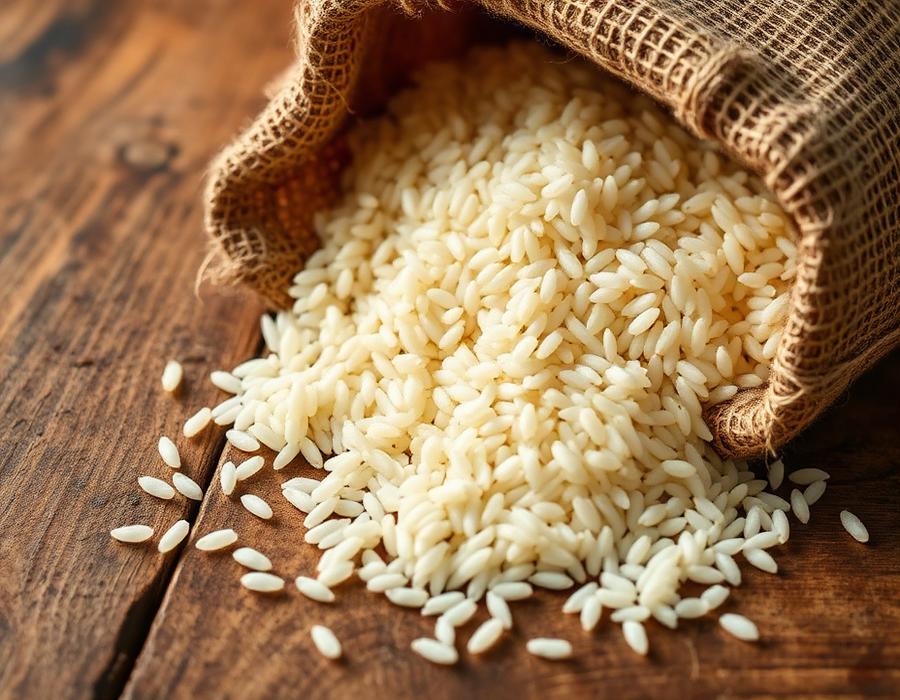
“A good sack of rice carries the name of everyone who touched it.”
Supporting Local Communities
Thirty-four villages sell paddy to this mill. For most of those households, harvest income has to carry school fees, seed for the next season and the winter months in between — which is why we pay at the collection point rather than after the sale, and why our rate is announced before weighing starts, not after.
We hire locally through the milling season, keep our bran and husk within the district for feed and fuel, and buy back seed grain from the plots that perform best. Nothing dramatic — just the ordinary, steady way a business ought to sit inside its own community.
Come and see the mill